
The straightforward clear: $150–$300
Business hours, blockage within reach of hand tools, one visit. Most calls land right here.
One toilet down can stop a whole household. We get to Box Hill jobs same-day, clear the blockage without redecorating your bathroom, and, when a toilet keeps blocking, put a camera down the line to fix the reason instead of the symptom.
One-off blockages are usually about what went down: wipes sold as flushable that are not, sanitary items, a toy launched by a toddler. Those clear quickly with the right tools and stay cleared. The plunger-and-hope approach fails when the blockage is compacted further down the pan’s S-bend than a plunger can push, and forcing it usually just packs it tighter.
A toilet that blocks every few weeks is a different animal, that is almost never about the toilet. It is a symptom further down the line: tree roots in the sewer, a bellied pipe holding waste, or scale narrowing an older clay drain. Common around Box Hill, where mature gardens sit over original earthenware sewers. That is when the CCTV camera goes down, because clearing the symptom monthly is more expensive than fixing the cause once.

On a home still within its defects period it is worth asking before anyone does anything. Workmanship faults, a displaced joint, a fall out of tolerance, debris left in the line: are generally the builder's; ordinary blockages are not.
Box Hill’s new estates are still settling in, and sand, mortar and building rubble washed into fresh pipework is a leading cause of early blockages here.
We document what we find in terms a builder or insurer can act on, with footage. You may still want it fixed tonight. The report is what lets you recover the cost after.
Rural and semi-rural properties frequently have drainage that predates any record, altered over decades by owners who did the work themselves.
On Box Hill’s remaining acreage and rural-fringe blocks, long private drains and septic systems need cameras and the right access to clear and inspect properly.
A camera with a sonde and a locator above ground maps the actual route and depth, which is worth having on file well before an emergency. Knowing where the line runs is also what stops the next shed slab or driveway being poured over an access point.
Sandy ground drains fast and shifts more readily than heavy soil, particularly after prolonged wet weather. Pipes bedded in it can settle unevenly, and a run that was laid true forty years ago may no longer be.
The result is a low point that holds water and catches solids. It is a gradient problem, and it does not respond to being more careful about what gets flushed.
Rapid subdivision means some PVC lines were laid in a hurry, sagging, dips and bad falls trap waste and cause repeat blockages in newer homes.
The most common blockage in a new home has nothing to do with how the home is used. Sand, mortar, grout and offcuts that entered the line during the build settle at the first low point and slowly narrow it until ordinary use finally closes it over.
One thorough clear normally ends it for good. It is worth doing properly rather than quickly, because the debris that gets left behind is what causes the second call.
Box Hill sits on Sydney’s north-western growth fringe in the Hills District (postcode 2765), a fast-changing suburb where former farmland is becoming master-planned estates like The Gables and Box Hill North. Bordering Rouse Hill, Nelson and Annangrove, its drains range from brand-new PVC lines to long private runs on the rural blocks, and we know the local ground well.
On acreage the line from the house to the connection or treatment system can run for sixty metres or more, all of it your responsibility, crossing ground that vehicles drive over and trees grow beside.
It also means the blockage is often nowhere near the house. Locating it precisely before digging is the difference between one neat excavation and several exploratory ones.
Business hours, blockage within reach of hand tools, one visit. Most calls land right here.
Compacted or deeper blockages that need an electric eel or jetter time to shift.
Same work plus after-hours attendance and rates. A second bathroom often makes this cost avoidable, ask us.
For repeat blockers: CCTV down the sewer, the actual cause on screen, and quotes built on footage you watch.
Running and leaking toilets are usually small internal parts, same-visit. Full replacements come as one fixed price.
If it can safely wait for business hours, we say so on the phone, that one sentence is often worth $300. Figures here are indicative of the 2026 Sydney market rather than a quote from us, you get your own number as a fixed price before any work starts.

One toilet or every drain in the house? Overflowing now or just slow? That tells us the tools and the urgency, and you get a price picture before anyone drives.
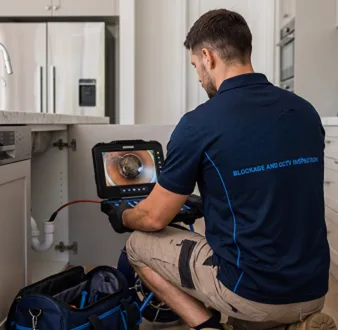
Drop sheets down first. Then the right tool for the blockage, closet auger for the pan, eel or jetter if it is sitting deeper in the line.
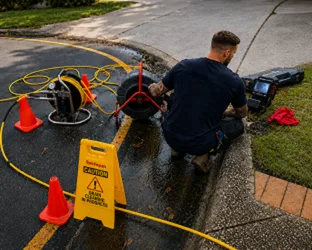
A first-time blockage with an obvious cause ends here. A repeat offender gets the camera, because the recurring ones are never about the toilet.

Roots cut and jetted, a damaged section relined, or a worn-out suite replaced: whatever the footage actually justifies, priced fixed before it starts.
One-bathroom household with a blocked toilet is an emergency in our book. Call, the line answers 24/7.
Cleared today, cause identified, fixed price before we start: and the bathroom left the way we found it, minus the problem.

Leave your details and our local Box Hill team will call you back fast.